


 Growing vines in the right soil is the most pivotal feature of grape growing. The type of soil, its mineral, content and the environmental conditions all play an extremely important role in the health and productivity of the grape vine. Before you plant your grape vines you should have your soil analyzed. Adding nutrients to soil that is lacking is easy, but removing unwanted excess nutrients is nearly impossible. Grape vines are fairly adaptable and don’t need much to feed on, meaning they do well in rich, highly organic soils. A positive aspect of growing grapes vines that do not require excessive amounts of nutrients is that a lack of nutrients within the soil will help prevent excessive weed growth. But if your soil test is showing too much nutrient deficiency, you should look to a professional for advice on how to establish good soil for your grape vines. If the wrong adjustments are made to the soil, it could have significant impact on your vines, resulting in excessive unwanted vine and leaf growth in some regions. Something that should also be measured is the soil’s pH level. The soil can be alkaline or acidic depending on the region of the country you are growing your grape vines in and the surrounding waterways and other natural formations. A pH that is between 6.0 and 6.5 is perfect for grape vine nutrient intake. You may need to incorporate lime if your soil is acidic meaning that the pH is lower then 6.0. If your soil is basic, or higher then 7.0, you may need to find rootstock that has been adapted to limestone soil conditions.
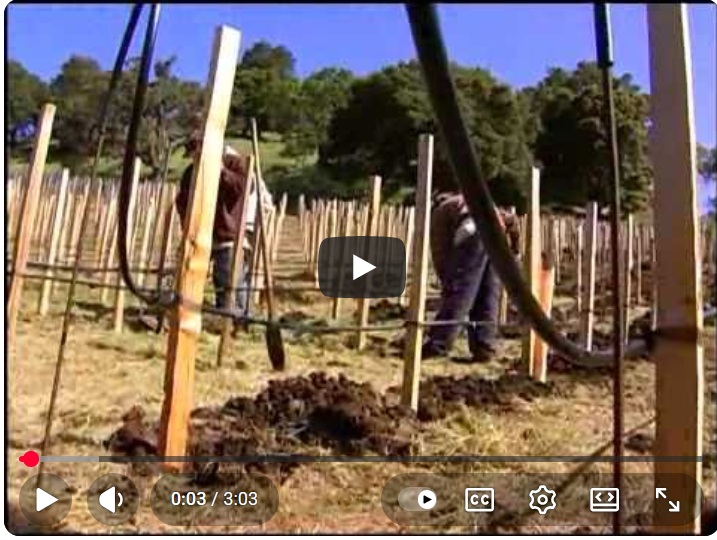
It may be necessary to add fertilizer to the soil during the time in which the grapes are ripening and after the first harvest season. The nutrients within the soil will be depleted as the grape vine matures and produces fruit. The use of organic fertilizer like manure has risen among grape growers for many different reasons. One reason is that manure is a natural source of usable nitrogen. The type of manure you need depends upon the amount of nitrogen, phosphorous and potassium your vineyard soil requires.
The nutrients within the soil are not the only requirements needed for growing a healthy grape vine. The soil must also supply good anchorage for the vine and provide proper drainage. Grape vines that are grown in soil that has too many nutrients and water go “vegetative”. This means that the grape vines will return to leaf growth and will stop producing fruit. Grape vines do not like to sit in puddles and will not grow well in really wet areas. The most established vine yards are well known for excellent drainage. A need for good drainage is one of the many reasons why many vineyards are planted on hillsides. Not only do steep hillsides aid in the drainage of the crop, they also are typically low in nutrient or organic matter due to years of erosion. In addition to a trellis, the grape vine’s root system requires ample anchorage from the soil as well in order to support this large plant. They require about thirty to forty inches of loose soil in order to establish a wide root system.